

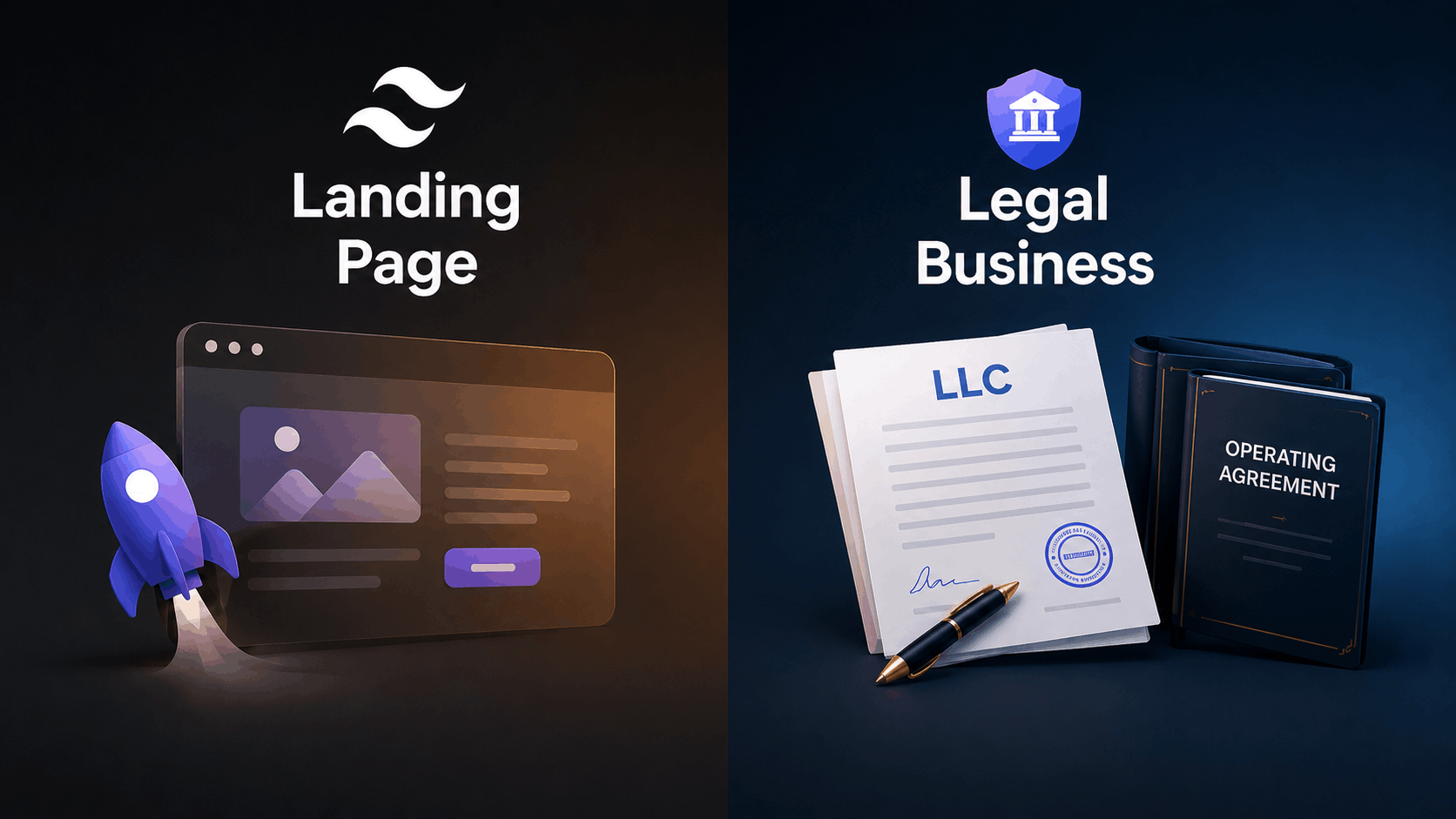
A lot of founders put up a website before they officially start their business.
Once the landing page is live and a few customers sign up, excitement starts to build. It’s tempting to focus only on growth at this point. Things like legal structure, admin tasks, and paperwork can seem like they can wait.
The trickiest part is that things can move incredibly fast. Money starts coming in, partnerships pop up, and new opportunities bring responsibilities that need more than just a website and a good idea. Founders who set up a strong foundation early on are usually better able to handle growth without suffering from headaches.
Here are some important things to take care of before your side project turns into a real company.
Why Early Business Setup Count
The early days of a business can be busy and unpredictable. Founders usually focus on building products, talking to customers, and testing ideas. Compared to these priorities, admin details often seem less urgent.
But putting off important decisions can lead to problems later. Mixing personal and business finances, not having written agreements, or failing to document ownership can all cause issues once the business starts making money.
Taking care of these things early brings clarity and gives founders a stronger base for future growth.
Making Up Your Mind About Business Structure
One of the first choices to make is how to structure your business legally. Setting up a formal business entity lays the groundwork for banking, contracts, ownership, and managing finances.
While there are choices such as a Sole Proprietorship and Corporation, many founders opt for a Limited Liability Company (LLC) because it provides a straightforward structure for operating a business. As entrepreneurs move from idea to execution, they often seek out an LLC formation service online while deciding how to establish their company.
The right structure depends on your business goals and situation, but having a formal entity in place can make future decisions easier as your company grows.
Ownership questions become much easier to address when they are considered from the get-go. Founders should understand who owns the intellectual property being created and ensure that agreements reflect those expectations.
Taking a proactive approach can help prevent disputes and preserve the value of assets that contribute to the company’s growth.
Building Basic Compliance and Recordkeeping Habits
Staying organized gets harder as your company grows. You’ll need to keep customer records, contracts, tax documents, registrations, and financial info in order to run efficiently.
Building simple recordkeeping habits early can make a big difference. Keeping files organized, documenting key decisions, and updating financial records help your business stay consistent as it becomes more successful.
These habits also make it easier to answer questions from accountants, legal advisors, banks, or business partners.
Common Early-Stage Mistakes Founders Make
Many startup problems don’t come from bad ideas. They usually happen because basic operations are overlooked.
Some common missteps come in the form of:
- Delaying business formation
- Mixing personal and business finances
- Relying solely on verbal agreements
- Failing to document ownership rights
- Neglecting recordkeeping and administrative processes
Most of these problems are easier to prevent than to fix once your business is up and running.
Build the Foundation Before You Need It
Launching a website or landing page is usually just the start of your business journey, not the finish line. As you gain customers, revenue, and new opportunities, your business’s structure becomes even more important.
Putting all of the pieces discussed in this article in place will help you create a solid foundation. You will be better prepared for growth, smart decisions, and long-term success.
Establishing Administrative Foundations
After you set up your business entity, a few administrative steps will help support your ongoing operations.
An Employer Identification Number (EIN) is your business’s tax ID and is used for banking, tax reporting, and other financial tasks. Getting an EIN helps keep your business and personal finances separate.
A registered agent is also important for keeping your business entity in good standing. This person or business receives legal notices and official mail for your company, making sure you don’t miss important communications.
These steps are fairly simple, but they offer valuable support as your business grows.
Separate Business and Personal Finances
Many founders start by using personal accounts for business expenses because it seems simple. But as transactions grow, this can get confusing and make bookkeeping much harder.
Opening a business bank account is one of the easiest ways to stay organized. Keeping business income and expenses separate helps you see your cash flow clearly and makes taxes simpler.
Building good financial habits early saves time and cuts down on admin headaches later. It also gives you a clearer view of how your business is really doing.
Contracts and Documentation: What Founders Should Consider
A lot of relationships are informal when a business first gets up and running. A client might agree to a project’s terms via email, a contractor might be onboarded through word-of-mouth, or a partner might contribute to work after a simple conversation.
As your business grows, though, these informal arrangements can create chaos.
Written agreements set clear expectations and help everyone stay on the same page. Depending on your business, you might need service agreements, client contracts, partnership agreements, contractor agreements, or confidentiality agreements.
Having proper documentation helps your business run smoothly and reduces the risk of misunderstandings that waste time and resources.
Protecting Intellectual Property (IP)
Many startups create valuable IP long before they recognize its importance. A company name, logo, software application, content library, proprietary process, or unique methodology may become important business assets over time.
Author Bio

Amanda E. Clark is a contributing writer to LLC University. She has appeared as a subject matter expert on panels about content and social media marketing.